

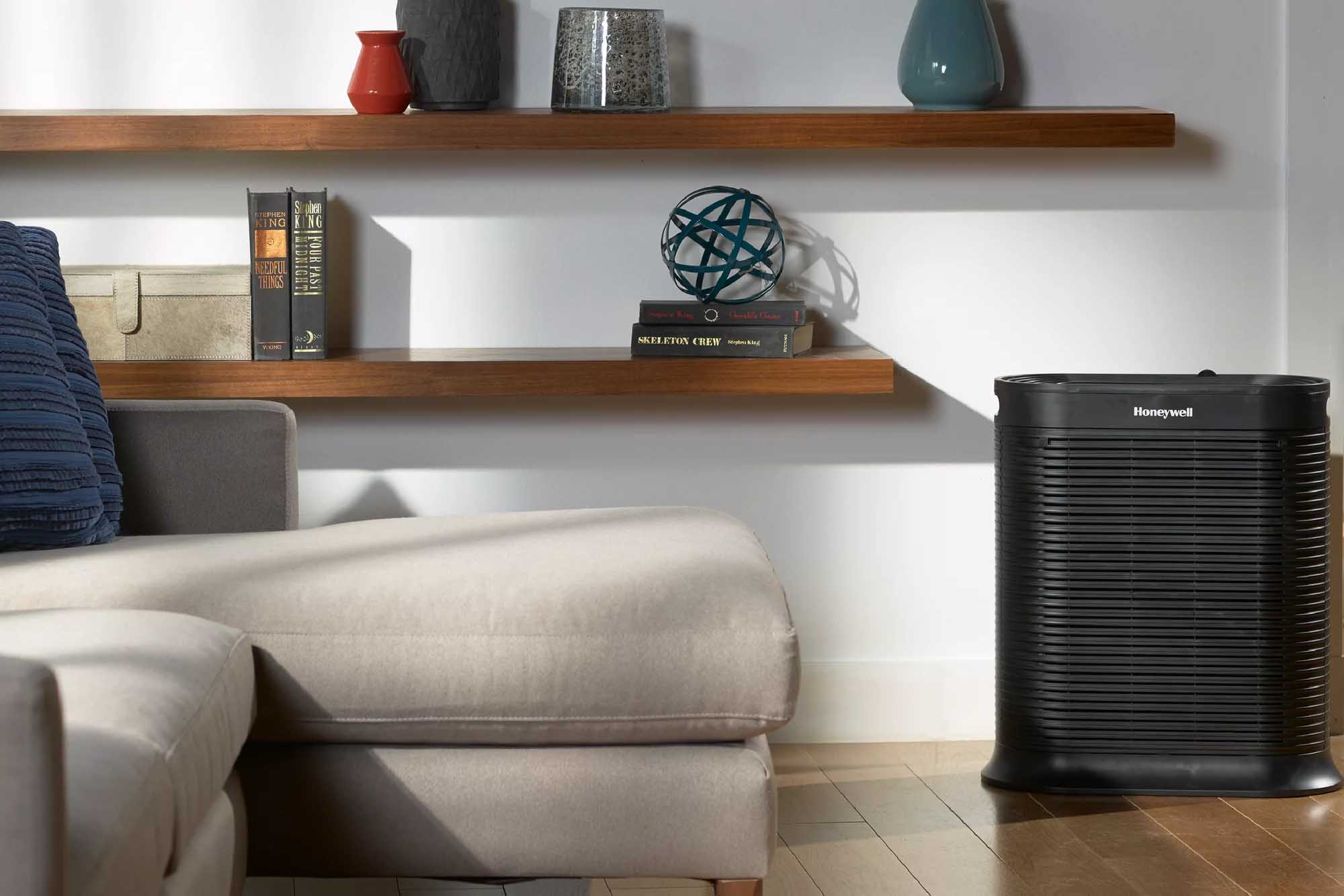
In today’s world, maintaining a healthy and comfortable living environment is more critical than ever. One crucial aspect of indoor air quality is odor control, which can be a challenge in many households. Whether it’s cooking smells, pet odors, or simply stale air, finding the best air purifier for odors can significantly affect your home’s atmosphere.
With the US wildfire season causing poor air quality from coast to coast this summer, we recommend purchasing one of the air purifiers below. If you’d like to monitor your air quality, we recommend checking out our list of the best air quality monitors. Our Davis AirLink has worked well during the smoke due to this year’s Quebec wildfires.
In this article, we’ve compiled a list of the top air purifiers designed to tackle odors, ensuring your living space stays fresh and clean. Read on to discover the perfect air purifier to eliminate unwanted smells and enhance your indoor air quality.
Monitoring Air Quality is Important, Too
Monitoring air quality is crucial because it helps us track the levels of pollutants in the air and identify problem areas. It can also alert us to potential health risks associated with air pollution. By monitoring air quality, we can take steps to protect our health and the environment.
Running an air purifier is important because it can help reduce the level of pollutants in the air, such as dust, smoke, pollen, and other allergens. Air purifiers work by trapping airborne particles in their filters so that they don’t enter our respiratory system when we breathe. This helps to reduce a person’s risk of experiencing health issues related to poor air quality, such as asthma or allergies.
Our Top Picks
[affiliatable id=’259010′]
Best Air Purifiers
[affiliatable id=’259016′]
How Air Purifiers Work
An air purifier draws in air from the surrounding environment and passes it through a multi-stage filtration system. The first stage usually consists of a pre-filter layer, which captures larger particles such as dust and pet fur. Then, the air passes through multiple additional filters, which can capture smaller particles, including allergens and contaminants. Finally, some air purifiers may also use other technology, such as activated carbon or an ozone generator, to remove odors.
Activated carbon absorbs particles and molecules that cause odors, while ozone generators produce reactive oxygen that breaks down odor-causing molecules. Combining these multiple filtration stages and technologies, an air purifier can accurately remove airborne pollutants, odors, and allergens.
The video below explains this somewhat complex process in an easy-to-understand way and is worth a watch if you’d like to learn more.
You’ll also hear much about HEPA, but what does this mean?
HEPA filtration is an air filtration system that uses high-efficiency particulate air (HEPA) filters to remove particles. HEPA filters are designed to capture at least 99.97% of airborne particles that are 0.3 microns in size or larger, making them highly effective at removing dust, pollen, mold spores, pet dander, and other types of airborne contaminants from indoor air. While more expensive, HEPA air purifiers are highly recommended for those sensitive to airborne pollutants.
Frequently Asked Questions
Here are the most frequently asked questions we hear from our readers.
Wrapping Up
In conclusion, air purifiers are a great way to improve the air quality in your home. They can help reduce the amount of dust, pollen, mold, pet dander, and other allergens that may be present in your home. They have health benefits and help rid your home of unpleasant odors, and they can even reduce energy costs by making it easier for your HVAC system to work efficiently.
Air purifiers give you peace of mind knowing that you breathe clean air in your home and will help keep you and your family healthy. With many options available today, finding the right air purifier for your needs is easy.